

Optimize your child's brain potential
through CognitiveMAP Assessment:
through CognitiveMAP Assessment:
Discover their cognitive abilities today!
Through the CognitiveMAP Assessment, you can gain insight into your child's cognitive strengths and weaknesses. Additionally, you will receive personalised recommendations for training programs that will be tailored to their unique needs. Watch as your child flourishes confidently.
Sign your child up for the CognitiveMAP Assessment now to evaluate their brain abilities and start their journey of potential growth!
CognitiveMAP Video

What causes difficulties
and the lack of motivation
in children's learning?
and the lack of motivation
in children's learning?
What causes difficulties and the lack of motivation in children's learning?
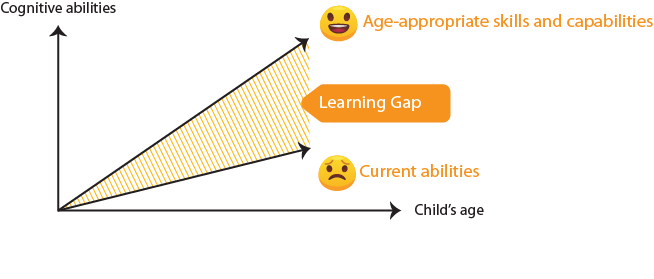
Every child has distinct and unique brain abilities. Various factors, such as heredity, insufficient stimulation, environmental influences, and imbalanced activities during their growth, can hinder the development of their cognitive skills.
These factors create a learning gap, making the learning process more challenging for children. Without intervention, the learning gap will continue to widen. It can increase the sense of distress and frustration, making children feel hopeless in their academic pursuits.

Why do children need
CognitiveMAP Assessment?
CognitiveMAP Assessment?
Why do children need
CognitiveMAP Assessment?
To determine:
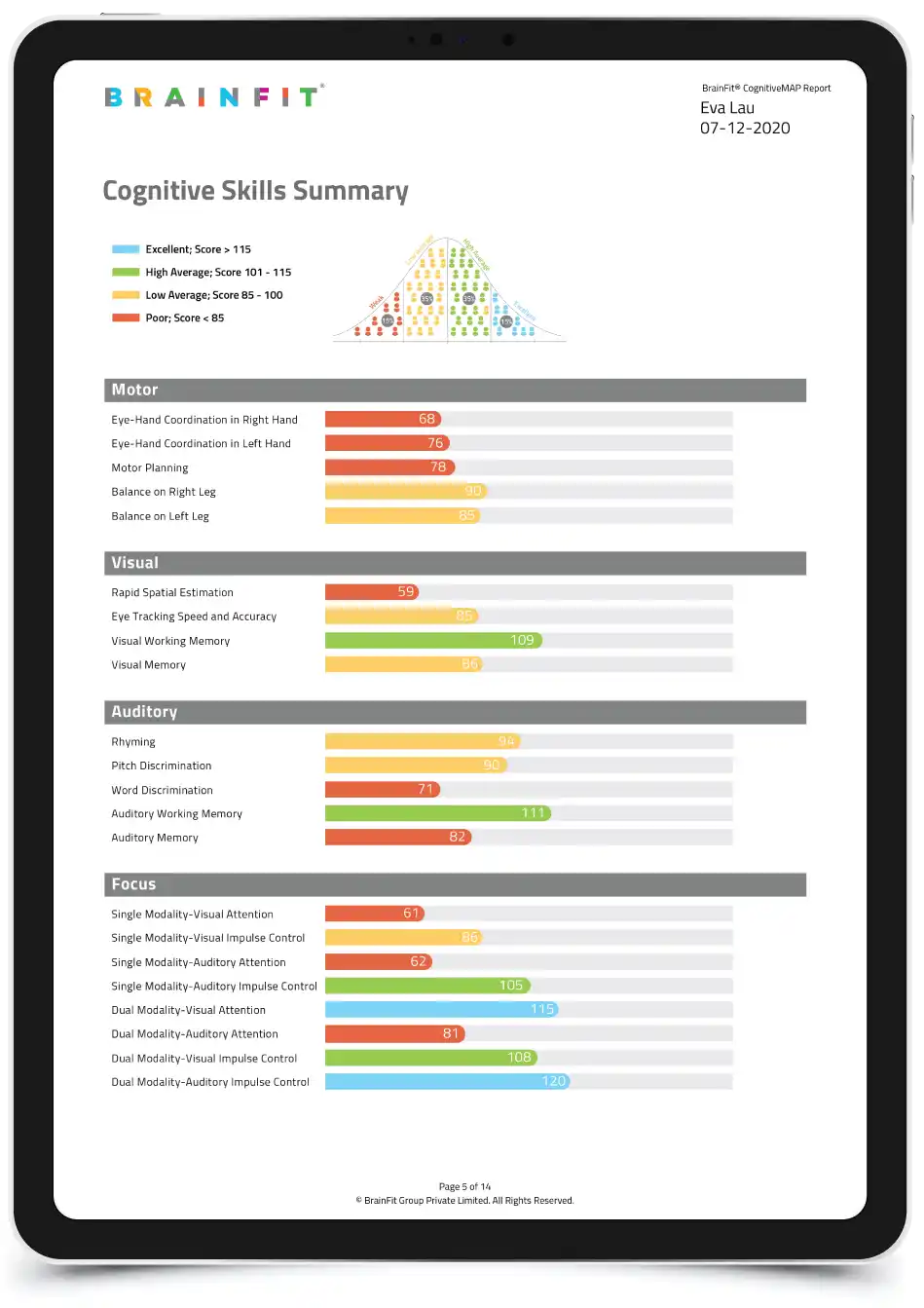
CognitiveMAP assists in measuring and mapping the levels of cognitive skills in children, including focus, memory, visual, accuracy, and auditory abilities.
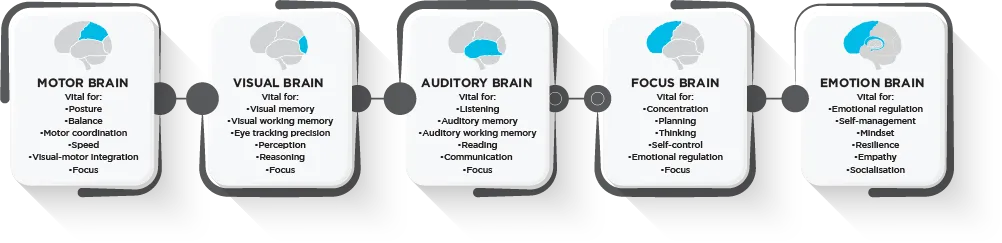
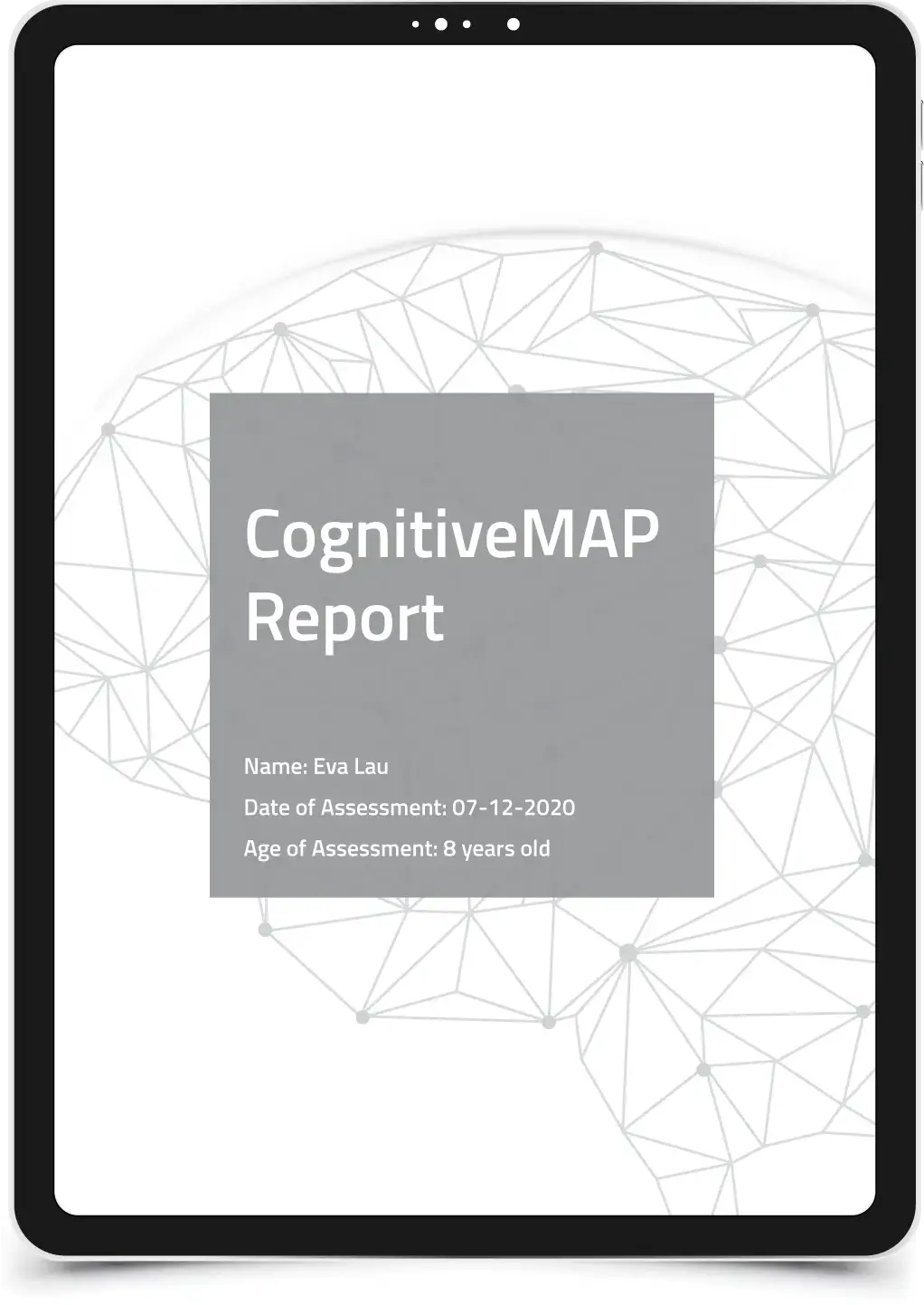
CognitiveMAP Assessment also provides a detailed analysis of a child's cognitive profile, allowing for customised learning strategies that meet individual needs. BrainFit offers personalised brain training program by identifying a child's cognitive strengths and weaknesses.
What are the benefits of
CognitiveMAP Assessment?
CognitiveMAP Assessment?
What are the benefits of
CognitiveMAP Assessment?
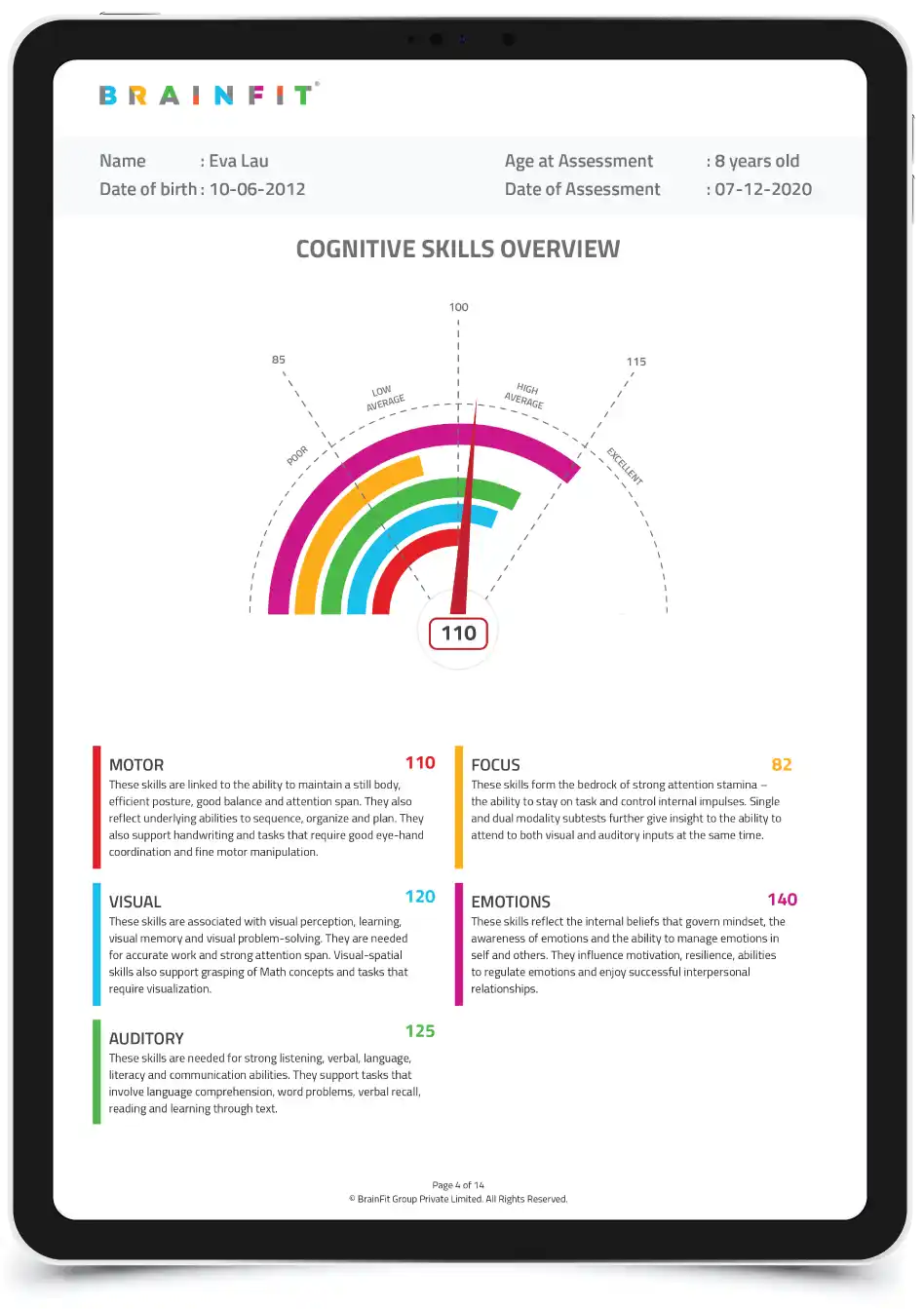
Overview
of cognitive abilities across the five brain areas.
Analysis Detailed
analysis of specific strengths and weaknesses in each brain area.
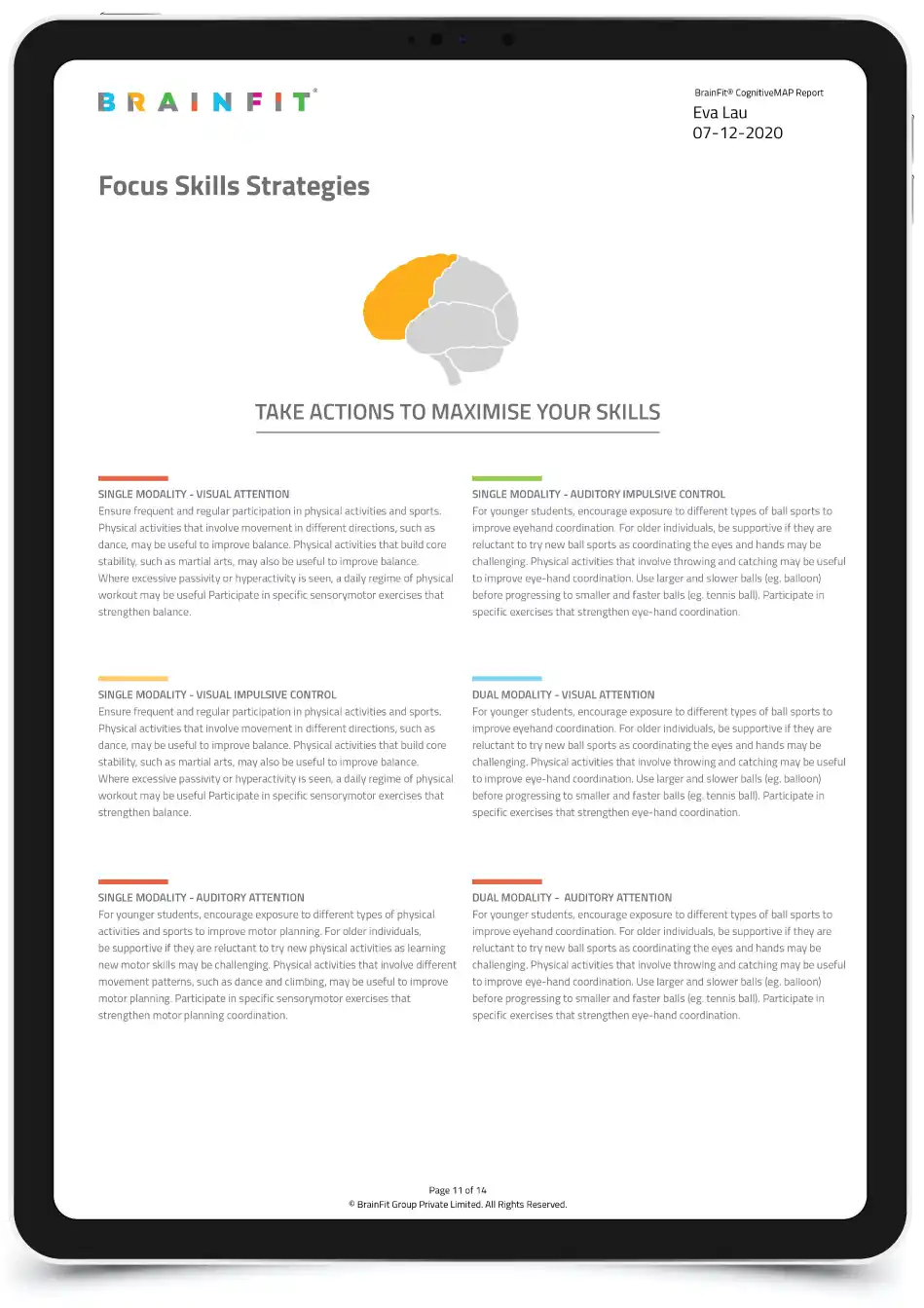
Guidance on strategies
aligned with cognitive profile.

How is CognitiveMAP conducted?
How is CognitiveMAP conducted?
How is CognitiveMAP conducted?

Online/Offline

1.5 hours assessment

1 hour for result interpretation and consultation.
What do they say after CognitiveMAP Assessment?
Schedule your BrainFit Information Session Now!
Curious to know more? Schedule an information session by filling in the details on the side and enjoy the following benefits:
Consultation
Comprehensive information about CognitiveMAP Assessment
Details on Brain Training Programs
Receive a DISCOUNT for CognitiveMAP Assessment after the Information Session!
Different Child
Different Brain
Different Needs
Every child has a story about the challenges they are facing. Let’s listen to their stories:
Lolita, 9 years old
Difficulty in Paying Attention

Lolita, 9 years old

Lolita, a hyperactive child, had caught the attention of her teachers since fourth grade. She used to enjoy chatting with friends during lessons, often ignored the teacher's reprimands, and rarely completed her tasks on time. Lolita would often express her frustration while doing her assignments by shouting and crying. As a result, her report card grades were always below average, leading to frequent scolding from her mother. According to her mother, Lolita had not yet realised the responsibility of learning. However, Lolita genuinely tried her best. But sometimes, the workload was just too overwhelming for her.
Alden, 9 years old
has Impulsive Behaviour

Alden, 9 years old

Alden, a 4th-grade student, frequently got into trouble due to his tendency to act impulsively without considering the consequences. He pushed his friends aggressively, copied answers from classmates during math exams, and often made a mess of his room. These traits often led to Alden's mother getting frustrated, and he struggled to make friends, too. Little did anyone know that Alden had an underlying weakness in his impulse control abilities.
Gretta, 7 years old
Frequently Forgets Things

Gretta, 7 years old

Gretta's frequent bad habits at school and home were a source of frustration for her mother. She would often neglect to do her homework due to misplaced books and writing tools. Additionally, she tended to forget about assignments she had completed at school, and things she had memorized at home would slip her mind when she was at school. The constant forgetfulness led Gretta's mother to almost lose hope in her. Her mother thought Gretta had trouble focusing during study time, but the truth was that Gretta had difficulties with her memory and working memory functions.
Kiran, 8 years old
has Difficulty Regulating Emotions

Kiran, 8 years old

Kiran is an 8-year-old boy with puzzling emotions. Kiran used to get angry when feeling lonely, especially when their friends played with others. Expressing her feelings when she was upset with her older sibling at home was also challenging for Kiran. Her friends would often distance themselves from her due to her stubbornness and tantrums when things didn’t go her way. However, when their friends had problems, Kiran would always be there to support them. His parents thought that Kiran was sensitive and had a strong personality that always wanted to be in control. Conflicts happened almost every day, both at school and at home. There wasn't a single day without loud voices and tears.
Lamark, 5 years old
Slow Processing

Lamark, 5 years old

Lamark earned the nickname "Turtle" from his kindergarten friends due to his slow pace. He seemed to take his time with everything in class or at home. For example, he finished tasks last in class and was slow in everyday activities like bathing and eating. Lamark couldn't participate in races as he got groggy if he rushed. This left his parents feeling frustrated and concerned, wondering if he was simply passive or lazy. Little did they know that Lamark was actually dealing with delays in motor coordination and the speed at which his brain processed information.
Lupita, 14 years old
Passive in Thinking

Lupita, 14 years old

Lupita was a game and food enthusiast. Due to her average grades in school, she lacked confidence. She also had no friends because she was perceived as not contributing during group work. Feeling inferior, Lupita chose to go along with whatever her friends wanted to be accepted by the group. Lupita rarely spoke to her parents and younger sibling because she was reluctant to engage in conversations that didn't revolve around her interests. Her usual responses were, "I don't know," or, "I forgot!". Lupita’s mother became frustrated and didn't know how to motivate her, unaware that Lupita's passive behaviour was actually a way to mask her difficulties in critical and creative thinking abilities.
Enzo, 10 years old
is Prone to Giving Up Easily
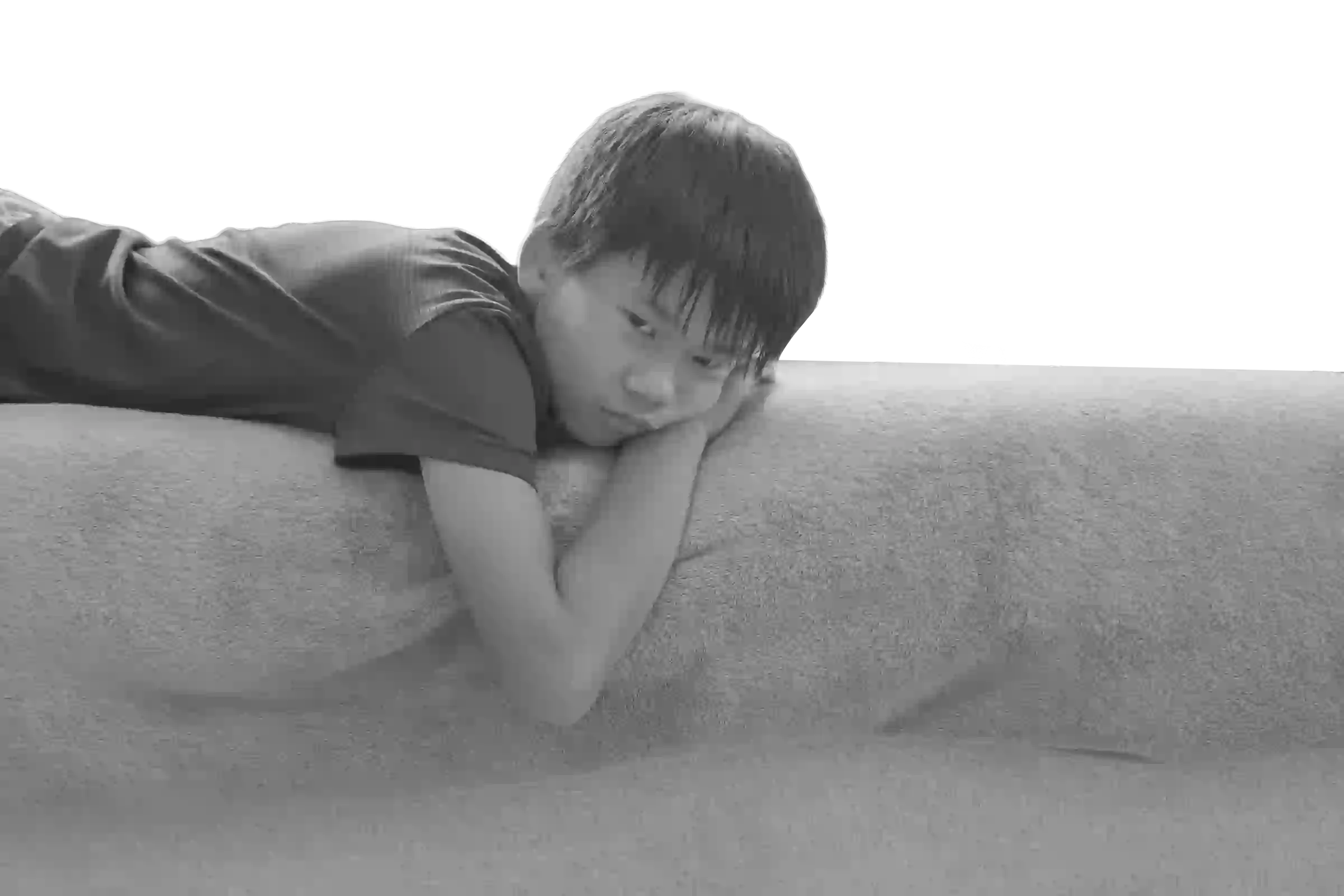
Enzo, 10 years old

Enzo avoided challenging tasks. Riding a two-wheeled bicycle was difficult for him. Similarly, he declined to join futsal class as he considered it challenging. In math assignments, Enzo chose to solve easier problems, leaving the difficult ones unanswered before turning them in to the teacher. Despite Enzo's enthusiasm for new things, he would get frustrated and give up when faced with difficulties. His mother firmly believed that Enzo actually had great learning abilities. He excelled in several subjects, which made it puzzling to understand why he behaved this way. Could it be a matter of Enzo's mindset? Or were there specific learning challenges he faced?
Benn, 11 years old
Disliked Reading

Benn, 11 years old

Ben was a smart student with a high enthusiasm for learning. However, he struggled with comprehending long texts. When given assignments involving reading short stories or math problems, he needed to read them repeatedly to understand the content. Benn didn't enjoy subjects like geography, history, biology, Indonesian, and English. Whenever there was homework, his mother always helped him by reading the texts and explaining the content to him. As a result, when his mother wasn't around, Benn felt overwhelmed and struggled to do tasks on his own.
Ryan, 10 years old
Disliked Mathematics

Ryan, 10 years old

Since kindergarten, Ryan consistently received poor grades in math. By fourth grade, he still struggled with math problems. Despite excelling in art and sports, Ryan wasn't satisfied or proud. He always wanted to be like his friends who could calculate quickly and had good math grades to receive praise from their teachers and parents. Despite attending math lessons, Ryan couldn't perform as well or as fast as his friends. Ryan started believing that he lacked talent in mathematics. He began avoiding and neglecting math in his fourth-grade class. However, he just needed to strengthen the parts of the brain related to mathematical processes.
Maddy, 12 years old
Difficulty in Communicating
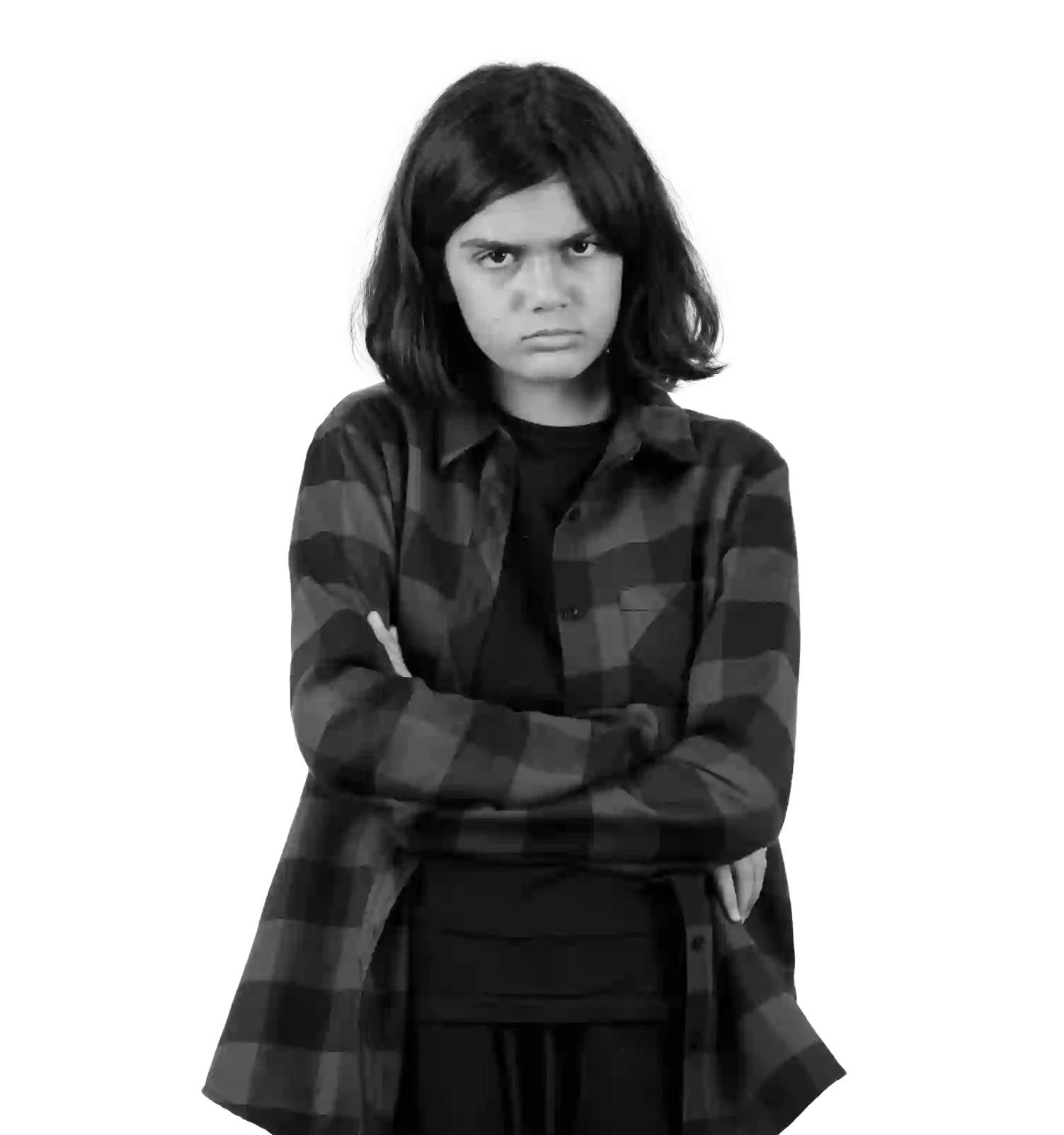
Maddy, 12 years old
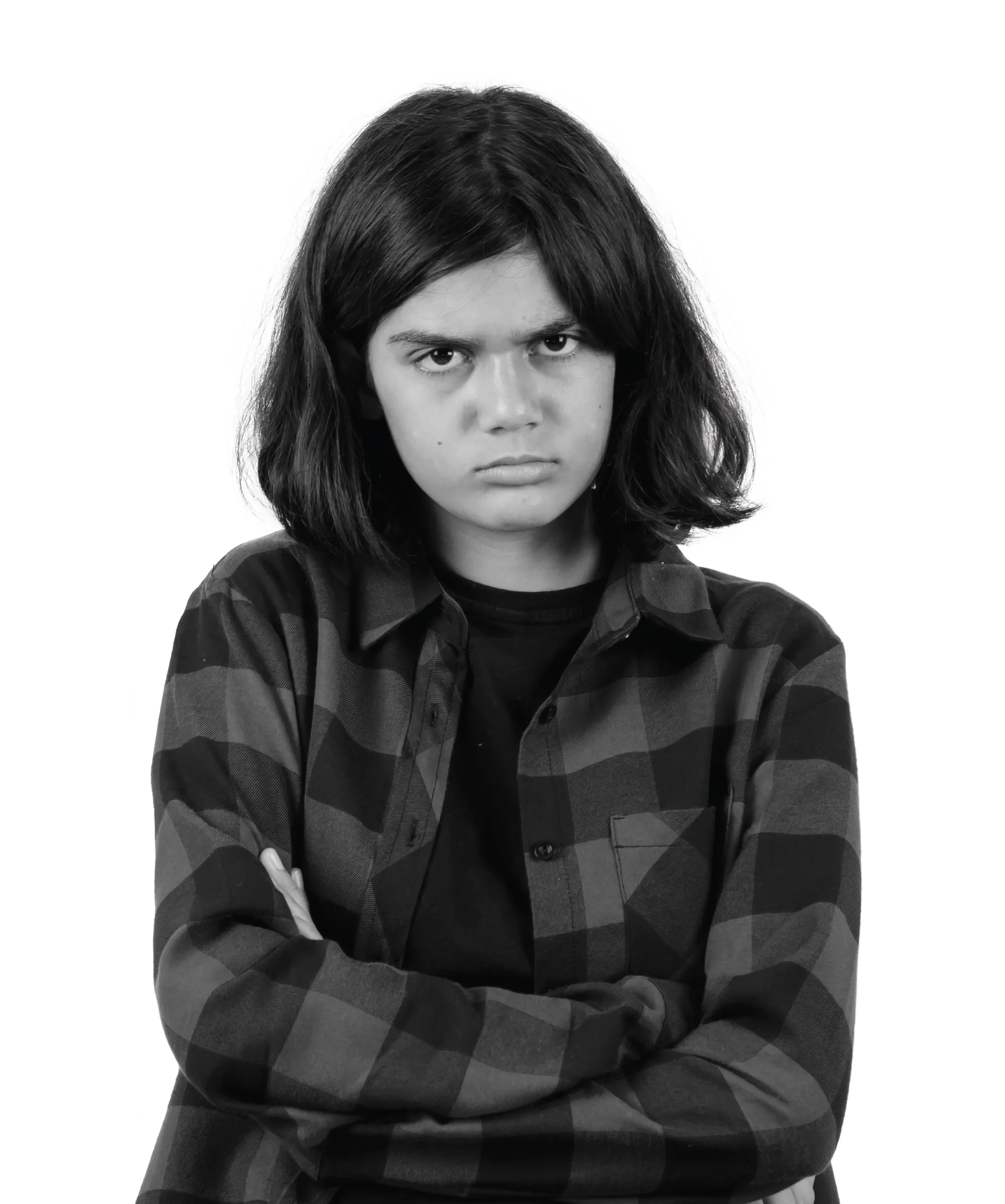
Maddy was often perceived as arrogant and aloof by her own friends. However, she wasn't actually arrogant or aloof; she simply had difficulty expressing her thoughts and feelings spontaneously. Maddy struggled to understand the conversation and provide timely responses when interacting with others. Engaging in conversations exhausted her, so she preferred to remain silent and go unnoticed in social groups.
Brain Training Program After Assessment
Developing children’s cognitive abilities
through brain workouts


Since each child has a unique and individual brain aptitude, BrainFit administers a CognitiveMAP Assessment to identify the diverse cognitive abilities, strengths, and weaknesses involved in their thinking and learning processes.
Based on the results of the CognitiveMAP Assessment, BrainFit formulates a personalised brain training program to meet the unique needs of each child.
The child participates in the brain training program, which includes three primary activities: Cognitive Training, Physical Training, and Emotional Coaching. BrainFit consistently monitors, guides, and assists parents and children throughout the program to ensure a successful transformation.
BrainFit regularly monitors the progress by using weekly training reports that cover eight essential areas: Speed, Memory, Attention, Reasoning, Timing & Coordination, Exam Results, Social-Emotional Skills, and Tenacity. Feedback sessions with parents and a post-training CognitiveMAP assessment are also conducted to ensure thorough monitoring.
3
Powerful
Brain Training
Activities
(for 3-18 years old)
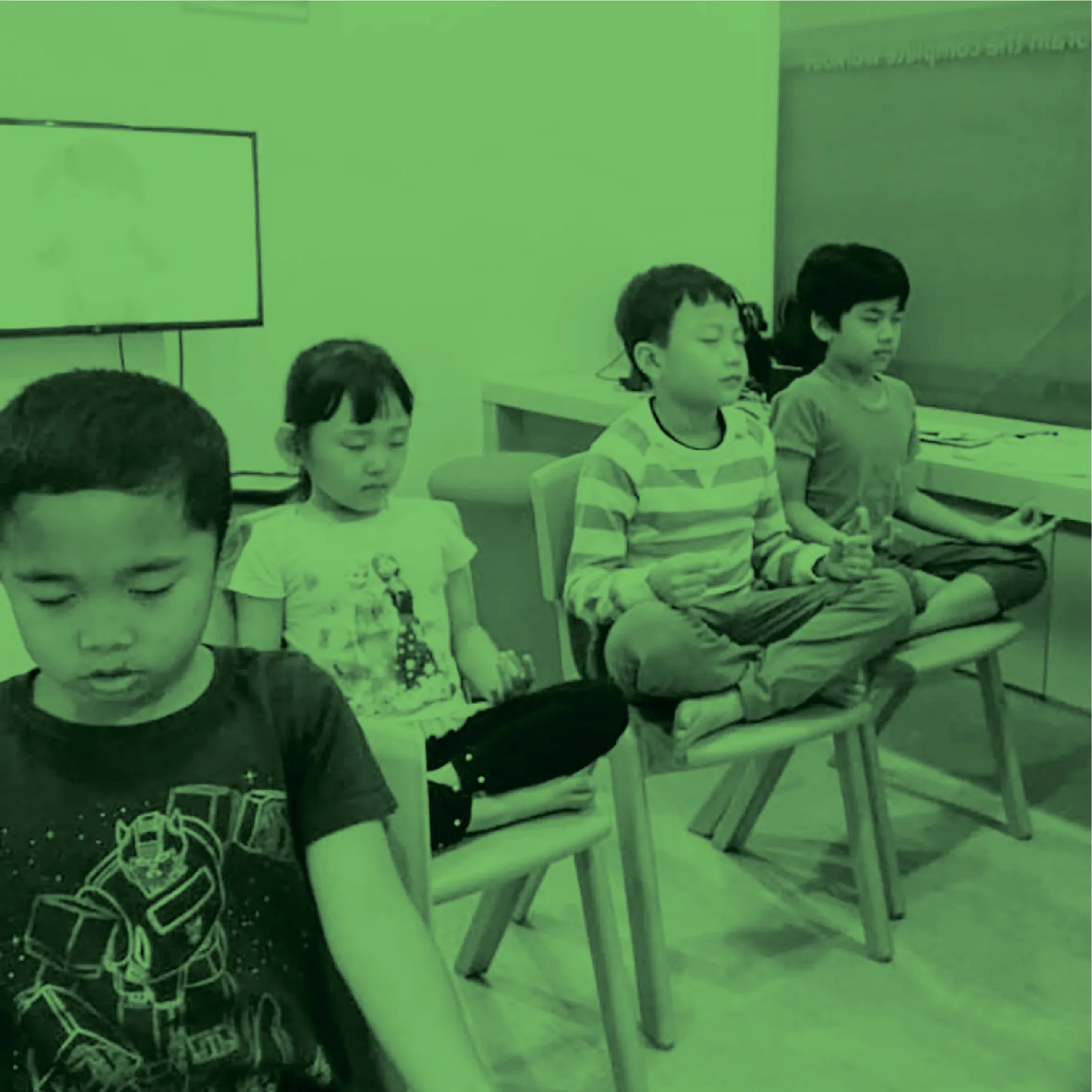
Coaching
Enhances growth mindset, emotional regulation, self-control, and self-confidence
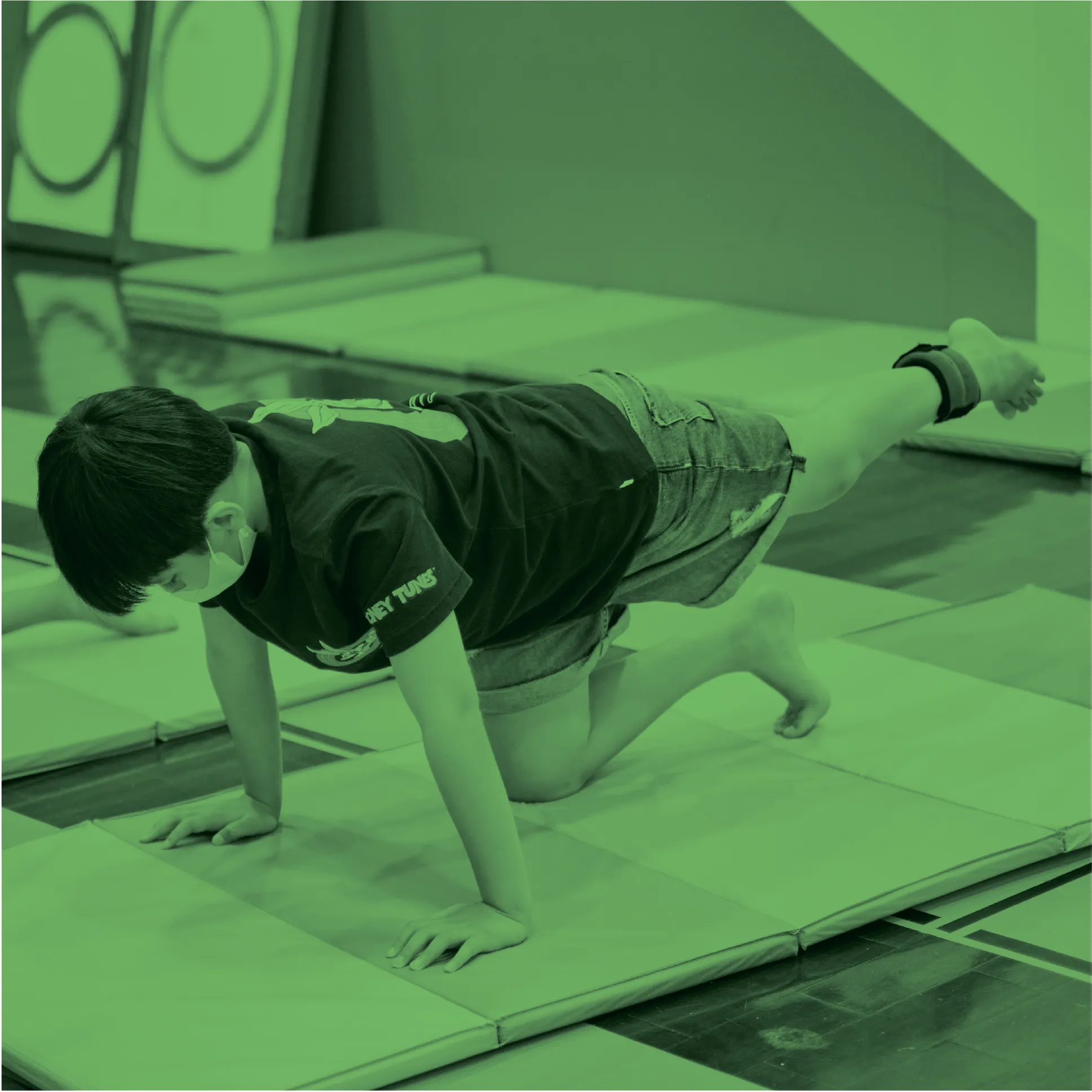
Training
Improves learning speed, focus, planning abilities, and self-confidence.
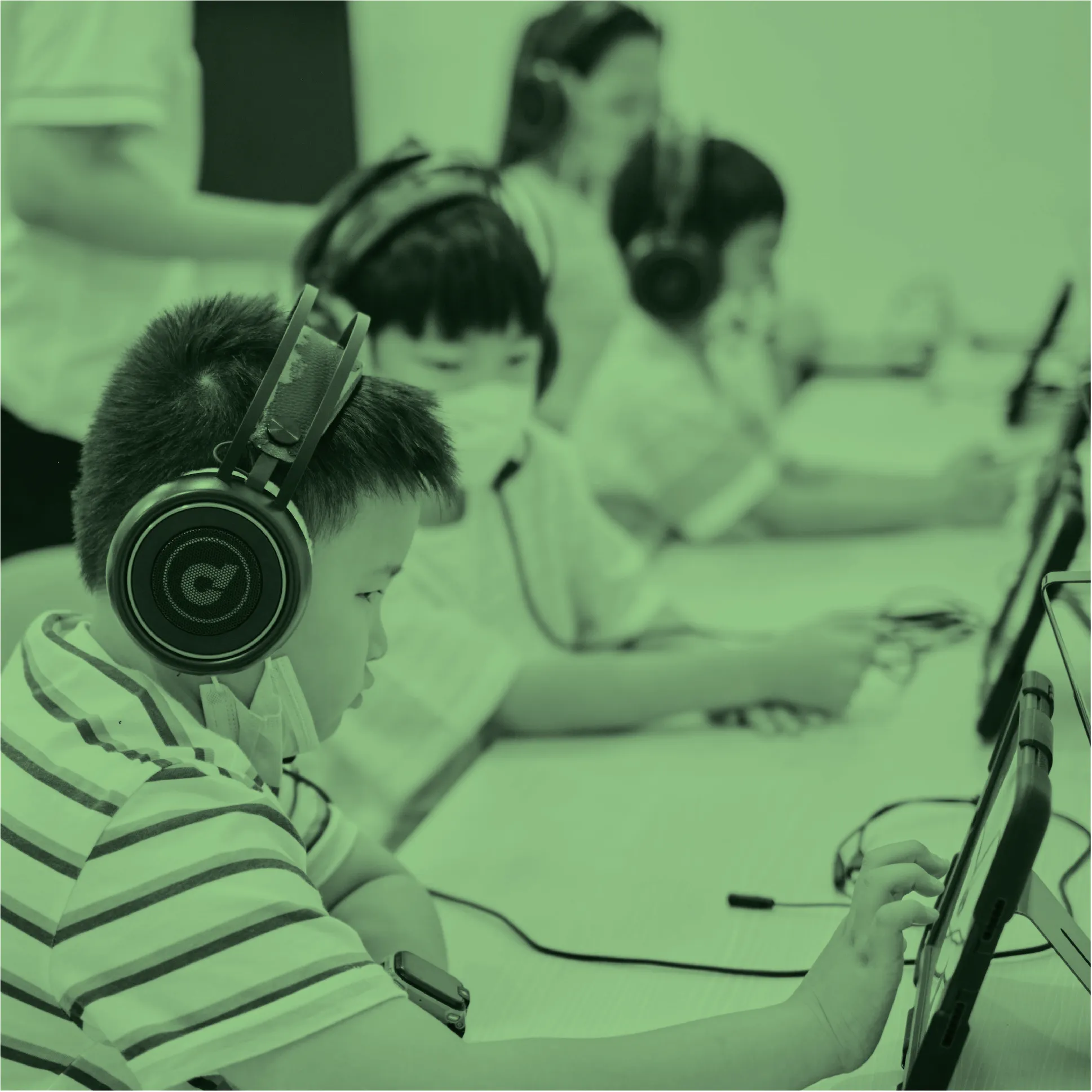
Training
Enhances listening acuity, visual accuracy, and communication skills, as well as strengthens working memory for thinking processes.
8
Which 8 skills show progress as a result of Brain Training?
S Speed
M Memory
A Attention
R Reasoning
T Timing & Coordination
E Emotions Management
S Social Skills
T Tenacity
Don’t miss out on the
BrainFit Information Session!

BrainFit Studio Thailand 2nd floor, Ploenchit Center,
Sukhumvit Soi 2, Bangkok 10110